
Humans Have Always Tried To Cheat Death (14 pics + 9 gifs)
24 Jun 2019
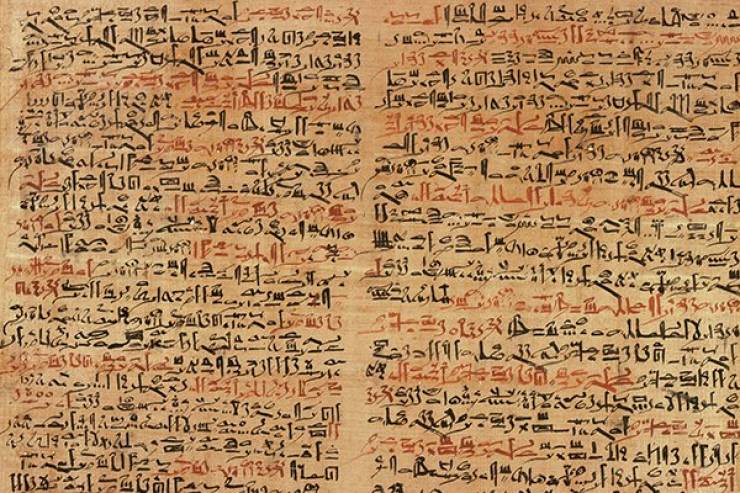
1600 B.C.
An antiwrinkle recipe that is said to “transform an old man into a youth” is recorded on the back of an ancient papyrus. It calls for a mixture of water and something called hemayet fruit, which is then boiled and dried.
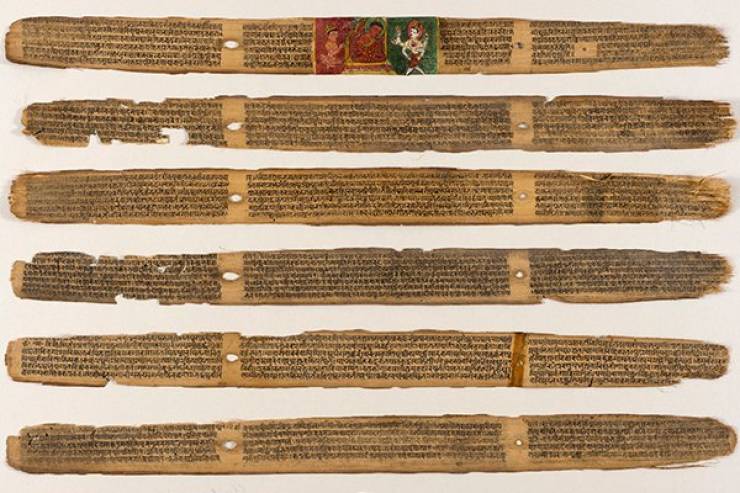
6th Century B.C.
According to the Sushruta Samhita, an ancient Sanskrit medical text, longer life can be achieved by consuming a mix of root powder, gold, honey and butter after a morning bath.

133 B.C.
The Han Emperor is advised by alchemist Li Shao Chun to eat with utensils made of gold transmuted from cinnabar, which is actually a potentially toxic substance known today as mercury sulfide.
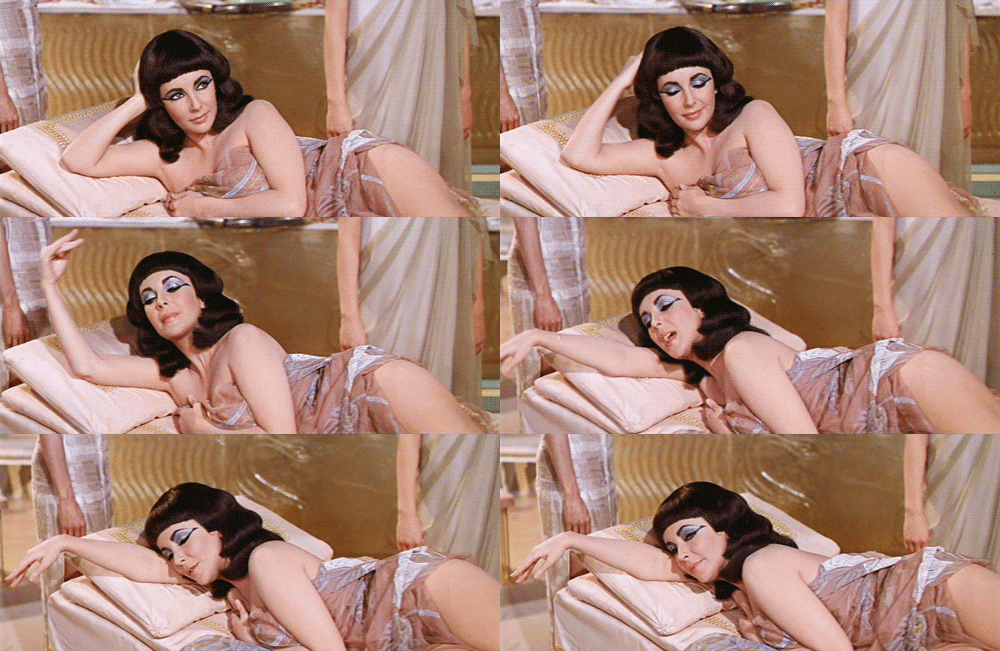
1st Century B.C.
More of a skin treatment, Cleopatra supposedly bathes in donkey’s milk to help preserve her youthful beauty.
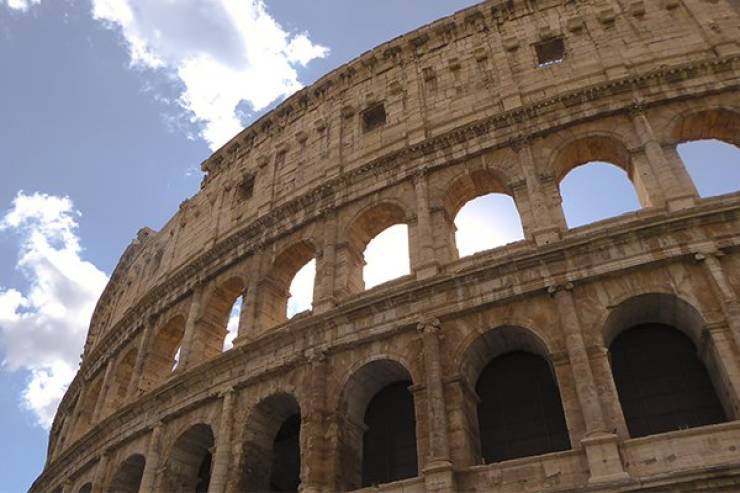
1st Century
Romans with epilepsy drink the blood of gladiators thinking it will cure them, as well as give them strength.

3rd Century
Ancient Taoists believe the ideal diet for longevity includes spices, vegetables, turtles, crane eggs, and other food from long-living creatures. People are also advised to do breathing exercises and abstain from orgasm.

4th Century
Alchemist Ge Hong says that a medicine made from the brains of a particular kind of monkey can lengthen life up to 500 years.
13th Century
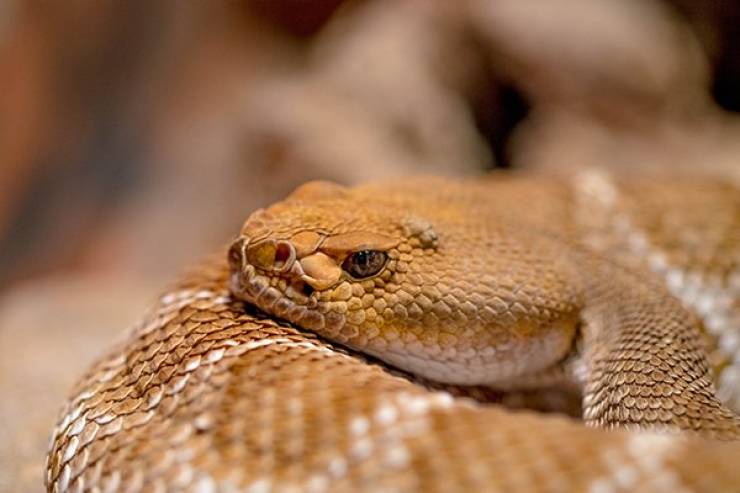
In The Cure of Old Age, monk and philosopher Roger Bacon recommends drinking wine and powders made of gold, pearl, coral, and bone from a stag’s heart. He writes that eating vipers will also extend the life span.
1489
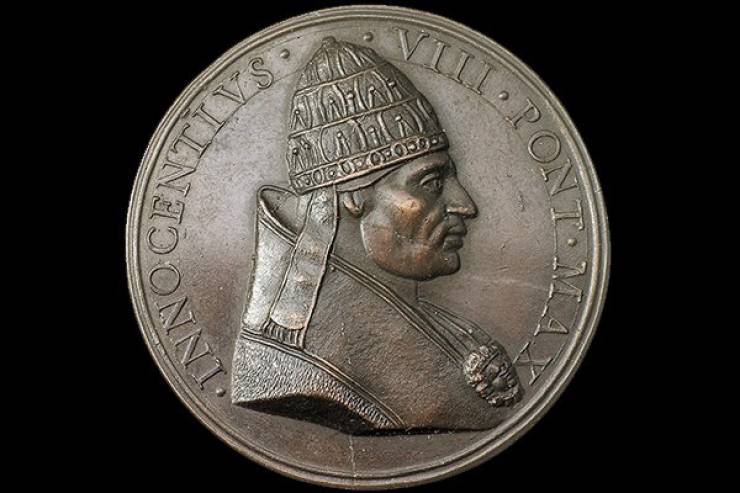
Philosopher Marsilio Ficino tells the elderly to drink the blood of young men to rejuvenate themselves. Apparently, Pope Innocent VIII tried it a few years later and died shortly after.

1558
Luigi Cornaro begins a series on how to live longer and emphasizes moderation in all things, a theory that is still very popular today.
16th Century
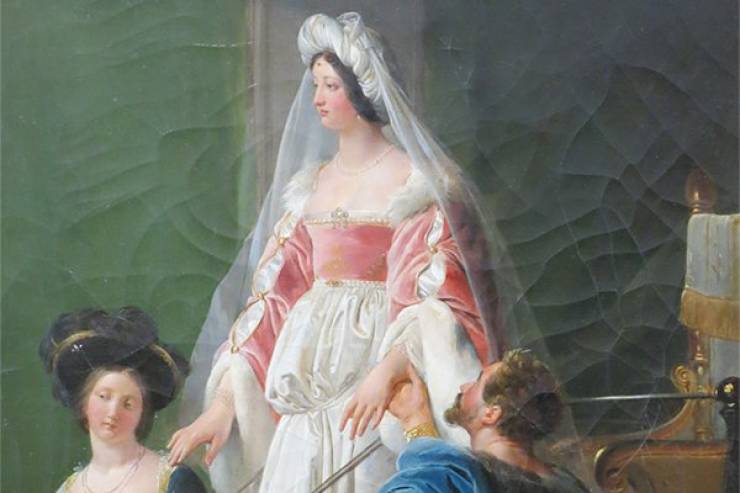
Diane de Poitiers, the mistress of Henry II of France, drinks a mixture of gold chloride and diethyl ether to preserve her youth.

1623
Sir Francis Bacon claims that people hoping to live a long life should conserve the spirit and repair damage quickly. To do this, he recommends opium and baths.
1638
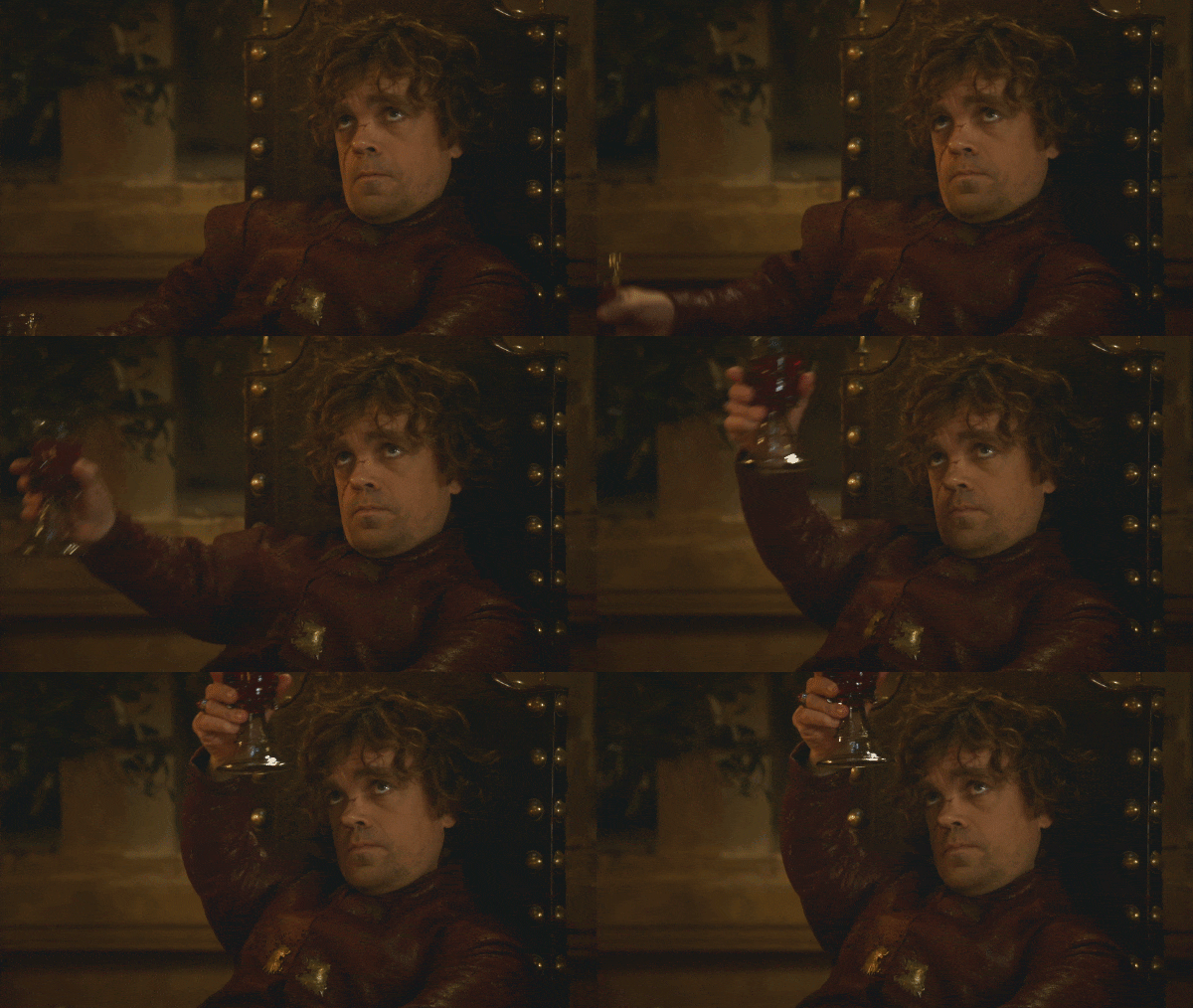
Tobias Whitaker, who later became the physician to King Charles II of England, says wine is one of the keys to extending life. He died in his 60s.
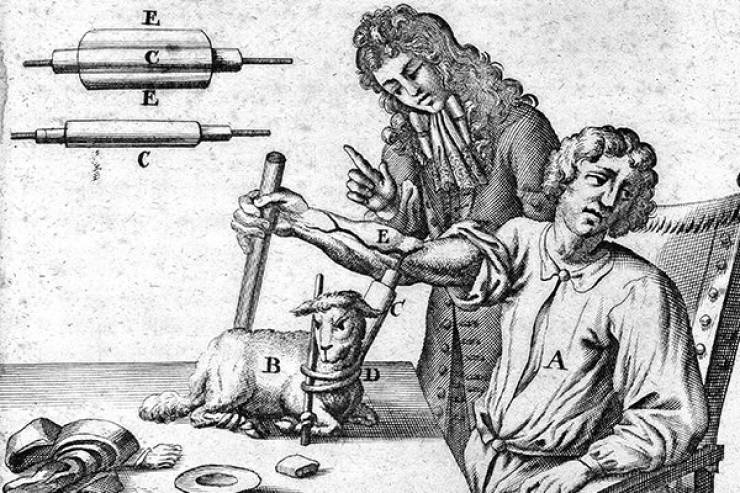
1667
French doctor Jean-Baptiste Denis performs the first ever animal-to-human blood transfusion, and the patient recovered afterwards.
1740
The innovative doctor who advanced vegetarianism, George Cheyne, suggests that people who drink only water from a very young age could live to 100.

1796
German physician Christoph Hufeland recommends sleeping next to a young woman, but not for sex. Instead, it’s just to be in the proximity of youth.
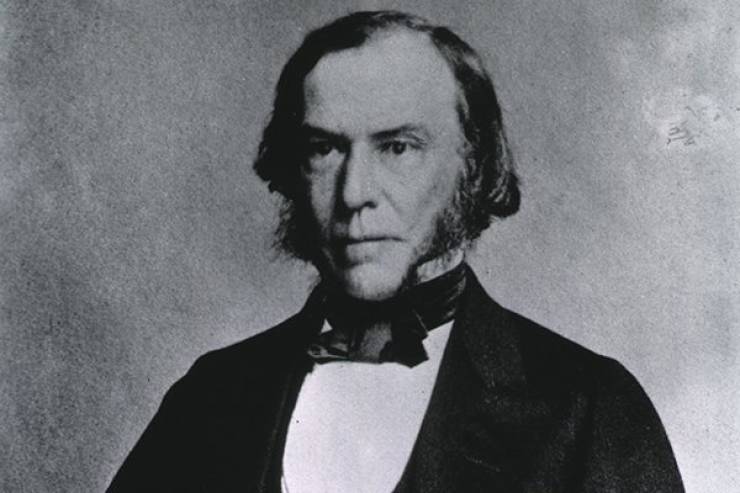
1889
At 72 years old, physiologist and neurologist Charles-Édouard Brown-Séquard injects himself with dog and guinea pig testes, testicular blood and seminal fluid.
1897
Swiss physician Maximilian Bircher-Benner says that raw food, which he called “sunlight food”, is the key to long life.
1901
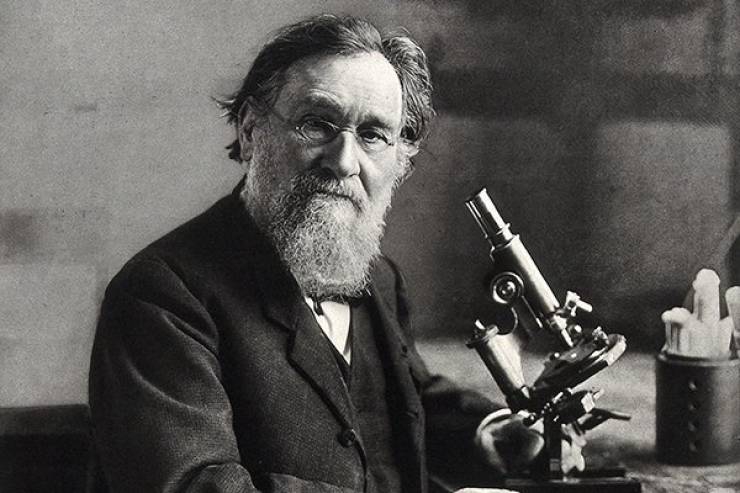
Élie Metchnikoff, who went on to win the Nobel Prize in Physiology or Medicine in 1908, suggests that a lactic-acid rich diet can turn back the clock on aging. He encourages the regular consumption of sour milk as a way to repopulate the intestines with good bacteria.
1920
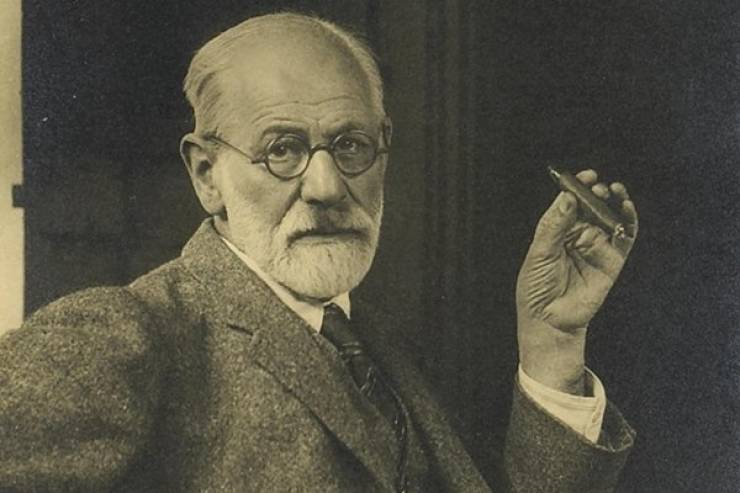
Eugen Steinach starts experimenting with a popular procedure that involves a partial vasectomy. Among his patients was Sigmund Freud, who hoped the treatment would slow his mouth cancer. Unfortunately, it didn’t.

1920
French surgeon Serge Voronoff, who emigrated from Russia, gains fame for his technique of grafting monkey testicle tissue on to the testicles of men as a way to restore youthful vigour. By 1926, Voronoff claimed to have completed over 1000 procedures.

1921
Dr. Charles G. Davis writes about radium and how it’s a wonder drug that “vivifies the living cell” and relieves the ailments common with old age.
1930
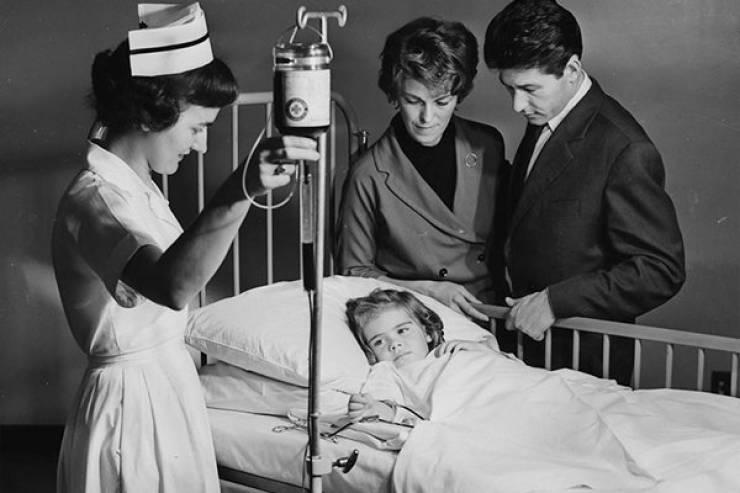
Reports from British newspapers say that a man named Giocondo Protti successfully revitalized elderly patients by performing blood transfusions from young donors.
2 Comments ?
2

1.

Catshark 7 year s ago
While the rest is obviously BS, #4 is a metaphor.
1
2.

Action 7 year s ago
#4 "...Cleopatra supposedly bathes in donkey’s milk to help preserve her youthful beauty." She's still alive? 

